High Stakes High Street: Britain's Betting Scene Heats Up Amid Digital Surge and Regulatory Rumbles
UK Gambling Landscape Transforms in 2026: Tax Doubles, Promo Caps Hit Hard, and Regulators Gear Up for Crypto

Tax Hikes Reshape the Remote Gaming and Betting Duties
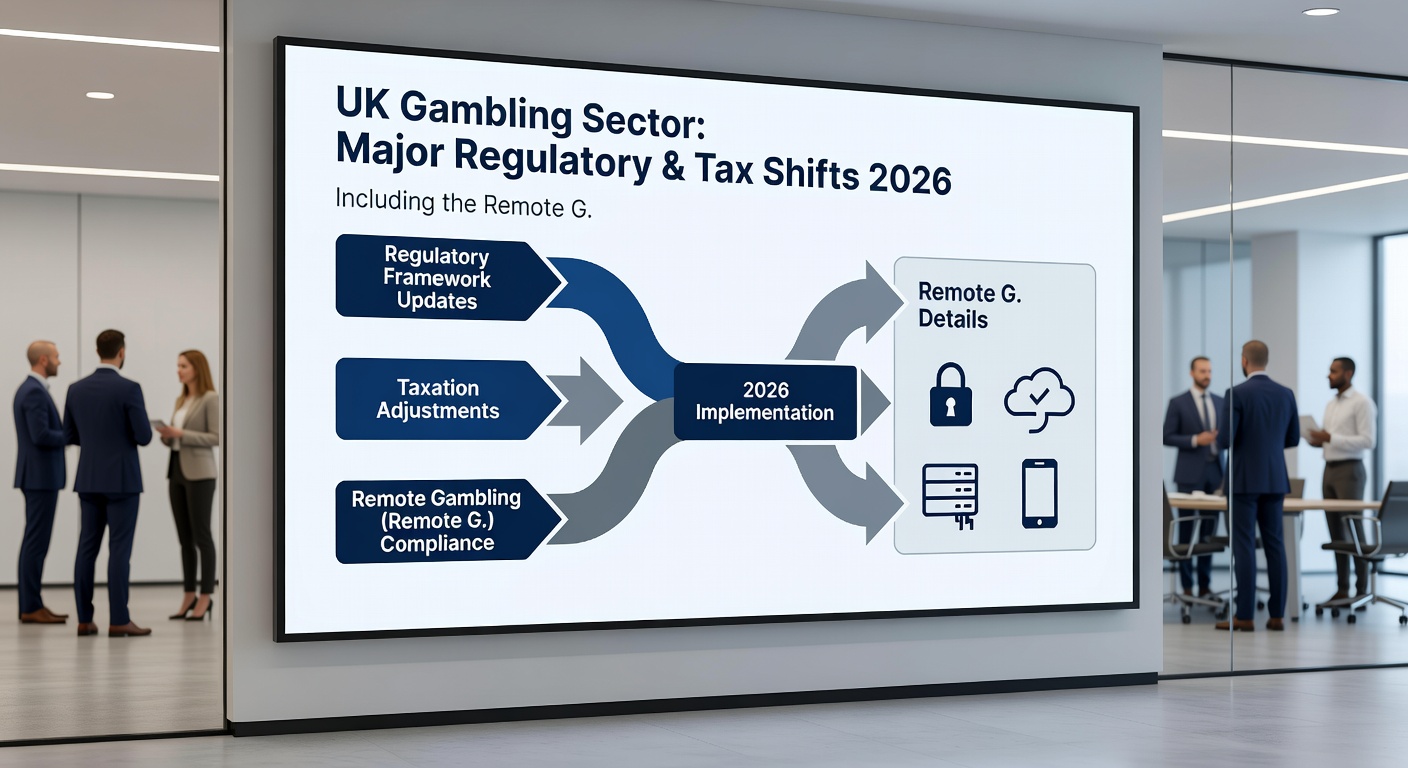
The UK gambling sector braces for seismic shifts as the Remote Gaming Duty surges to 40% on online slots and casino games starting April 1, 2026, effectively doubling the previous rate; this change, coupled with the remote betting duty climbing to 25% in 2027, signals a bold fiscal pivot aimed at capturing more revenue from digital platforms while traditional land-based operations face lighter adjustments.
Operators in the online casino space, where slots dominate player engagement, now confront margins squeezed tighter than ever before, since the duty applies directly to gross gambling yield minus the original stake; experts tracking these reforms note that such escalations could alter product offerings, pushing companies to rethink high-volume games like slots that previously fueled profitability.
But here's the thing: these aren't isolated tweaks but part of a broader strategy unfolding through 2026 and beyond, where the government's budget announcements have locked in these rates amid rising calls for player protection and fiscal responsibility.
New Promotional Rules Clamp Down on Bonuses and Product Mixing
January 19, 2026, marked the rollout of stringent promotional regulations that cap bonuses across gambling products and outright ban mixed free bets or bonuses combining slots, casino games, and sports betting; operators scrambled to comply, redesigning loyalty schemes and welcome offers that once blurred lines between verticals to maximize player retention.
What's interesting is how these rules, enforced by the UK Gambling Commission, target perceived risks in aggressive marketing, limiting the total bonus value per customer while prohibiting hybrids that encouraged cross-play; data from early implementations reveals operators like those in the casino sector pivoting to standalone promotions, although the full market ripple effects continue to emerge as of March 2026.
Take one major operator's response: platforms adjusted front-end interfaces overnight, stripping away bundled incentives that had become staples, and in doing so, they've reshaped the competitive landscape where creativity in promotions once reigned supreme.
Market Contraction and Operator Financial Strain Emerge
These combined pressures have triggered noticeable market contraction, with gross gambling yield growth stalling in key online segments; figures from High Stakes Reports highlight how the sector's expansion, once robust, now faces headwinds that could trim overall revenues by double digits in affected categories.
Flutter Entertainment, a titan in the industry, disclosed a staggering $320 million hit to its EBITDA directly tied to the Remote Gaming Duty hike, underscoring the scale of financial recalibration underway; other publicly traded firms echo this, reporting downward revisions to profit forecasts as tax burdens compound with compliance costs for the new promo rules.
And yet, while land-based venues like bingo halls and arcades sidestep the heaviest blows, the online realm bears the brunt, prompting mergers, acquisitions, and even exits among smaller players who can't absorb the shocks; observers who've monitored quarterly earnings note that March 2026 filings will likely paint a clearer picture of this squeeze, with investor confidence hanging in the balance.
Black Market Activity on the Rise
Turns out, not all activity stays within regulated channels; increased black market participation surfaces as a byproduct, where unlicensed operators lure players with untaxed odds and uncapped bonuses, drawing an estimated uptick in offshore traffic; UK Gambling Commission data points to heightened monitoring efforts, although quantifying the shift remains elusive since underground volumes evade official tallies.
People who've studied illicit gambling patterns observe that tax-driven migrations historically swell during such overhauls, and with promo restrictions biting into legitimate appeal, the temptation grows for risk-tolerant bettors seeking unrestricted access.
UK Gambling Commission Advances Tech-Driven Safeguards
Amid the turbulence, the UK Gambling Commission pilots advanced financial risk checks that achieve 97% frictionless success rates, allowing seamless verification for the vast majority of transactions while flagging high-risk ones for deeper scrutiny; this initiative, rolled out in phases through early 2026, leverages behavioral analytics and third-party data to detect affordability issues without halting play for most users.
So, operators integrate these tools into deposit flows, balancing compliance with user experience; early trials, as detailed in commission updates, show promise in curbing problem gambling escalation, particularly in high-stakes casino environments where rapid losses can compound.
Now, looking ahead, preparations ramp up for regulated cryptocurrency payments by October 2027, positioning the UK as a pioneer in blockchain-enabled gambling under strict oversight; this move addresses the growing crypto betting trend, mandating licenses for operators handling digital assets and imposing anti-money laundering protocols that align with global standards.
Leadership Transition at the Helm
Adding another layer of change, UK Gambling Commission CEO Andrew Rhodes steps down on April 30, 2026, after steering the organization through a decade of reforms including the 2025 Gambling Act's implementation; his tenure saw affordability checks mandated and advertising curbs tightened, laying groundwork for the current wave of duties and rules.
Those who've followed regulatory arcs note that Rhodes' exit coincides with the duty hikes' full activation, leaving his successor to navigate crypto integration and black market countermeasures; the commission's board moves swiftly to appoint a replacement, ensuring continuity as March 2026 deadlines loom for various compliance milestones.
It's noteworthy that this departure, announced amid peak reform execution, underscores the high-stakes environment where leadership pivots can influence enforcement rigor and industry relations.
Broader Implications for Players and Operators
For players, the shifts mean leaner promotions and higher implicit costs passed through via adjusted odds or game selections, although enhanced risk checks offer safeguards against overextension; casino enthusiasts, in particular, encounter fewer bonus-driven entry points to slots and table games, nudging a more deliberate engagement style.
Operators, meanwhile, adapt by optimizing non-gaming duties like the 15% general betting duty on land-based activities or exploring international diversification; case studies from firms like Entain reveal portfolio tweaks favoring lower-tax jurisdictions, a strategy gaining traction as 2026 unfolds.
But the reality is, with crypto on the horizon, innovation beckons for those who comply, potentially unlocking new player demographics while the black market lurks as an ever-present shadow.
- Remote Gaming Duty: 40% from April 1, 2026 (online slots/casinos).
- Remote Betting Duty: 25% in 2027.
- Promo caps and mixed product bans: Live since January 19, 2026.
- Financial risk checks: 97% frictionless in pilots.
- Crypto regulation: By October 2027.
- CEO Rhodes departs: April 30, 2026.
Conclusion
The UK gambling sector's 2026 metamorphosis, driven by doubled duties, promo restraints, and forward-looking tech like crypto readiness, redefines viability for online operators while fortifying player protections; as market contraction bites and black market shadows lengthen, the UK Gambling Commission's steady hand—despite leadership flux—charts a course through these rapids, with March 2026 serving as a pivotal checkpoint before full tax implementation reshapes the board for good.
High Stakes Reports data illuminates these dynamics, revealing a landscape where adaptation spells survival; stakeholders watch closely, knowing the ball's now in the industry's court to innovate within tighter bounds.