When Algorithms Decide Your Roulette Perks: Inside the Personalization Engines of Modern Casino Apps
 Modern casino applications rely on complex personalization engines that analyze player behavior to tailor roulette rewards and incentives. These systems process vast datasets including spin frequency, bet sizes, session durations, and deposit patterns to generate individualized offers. Observers note that such engines operate continuously, adjusting recommendations in real time as new information arrives from each interaction. Data collection begins at registration and continues through every session. Algorithms track metrics like preferred wheel types, average wager amounts, and response rates to previous promotions. Researchers have documented how these inputs feed into machine learning models that predict future activity and assign reward values accordingly. By May 2026 several major platforms had expanded these models to incorporate device usage data and time-of-day preferences, creating more granular profiles.
Core Components of Personalization Engines
Personalization engines combine multiple algorithmic layers. The first layer segments users into behavioral clusters based on historical play. A second layer applies predictive scoring to estimate lifetime value and churn risk. The final layer selects specific perks such as free spins, cashback percentages, or multiplier boosts that match the cluster and score. Studies from academic institutions show these models often employ collaborative filtering techniques similar to those used in streaming services. One analysis published in the Journal of Gambling Studies examined data from European operators and found that players who received algorithmically matched offers demonstrated longer average session lengths than those given generic promotions. Engine outputs appear in several formats. Push notifications deliver time-sensitive roulette bonuses. In-app banners highlight tailored reward ladders. Email campaigns present customized cashback rates calculated from recent loss ratios. Each format draws from the same underlying profile yet adapts presentation to maximize engagement metrics tracked by the system.Data Inputs and Processing Methods
Operators gather information from multiple sources. Transaction logs supply deposit and withdrawal details. Game servers record every roulette outcome and betting decision. Mobile sensors contribute location and connection data when permitted by device settings. External partners sometimes provide aggregated demographic information that enriches internal profiles. Processing occurs through distributed computing clusters that update models several times per hour. Feature engineering transforms raw events into variables such as “risk tolerance index” or “bonus redemption velocity.” These variables enter supervised learning pipelines trained on historical outcomes to optimize for retention targets.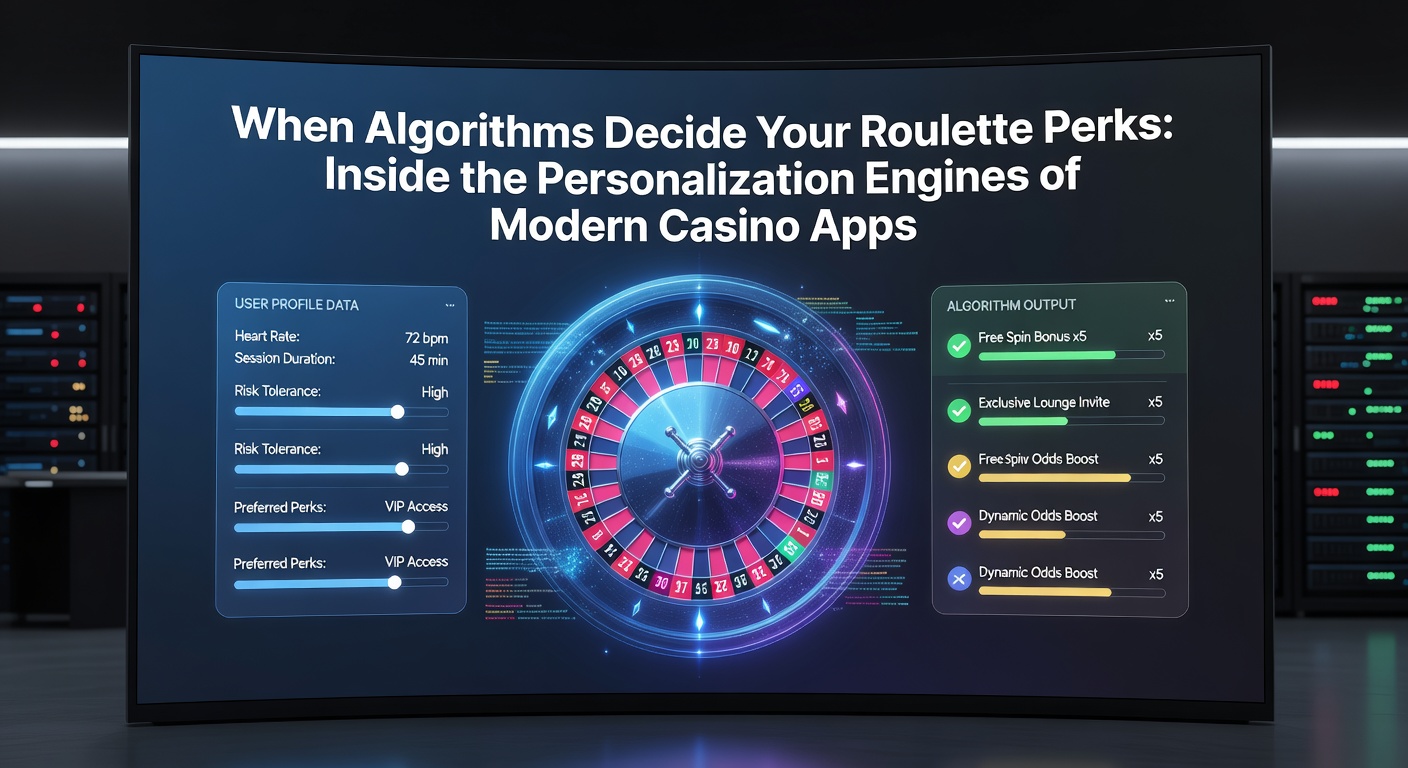 Regulatory frameworks in various jurisdictions require transparency around automated decision-making. The Nevada Gaming Control Board has issued guidance requiring operators to maintain audit logs of personalization logic. Australian authorities through the Australian Communications and Media Authority have examined similar requirements for responsible gambling interventions triggered by algorithmic flags. Such rules influence how engines surface or withhold certain offers.